
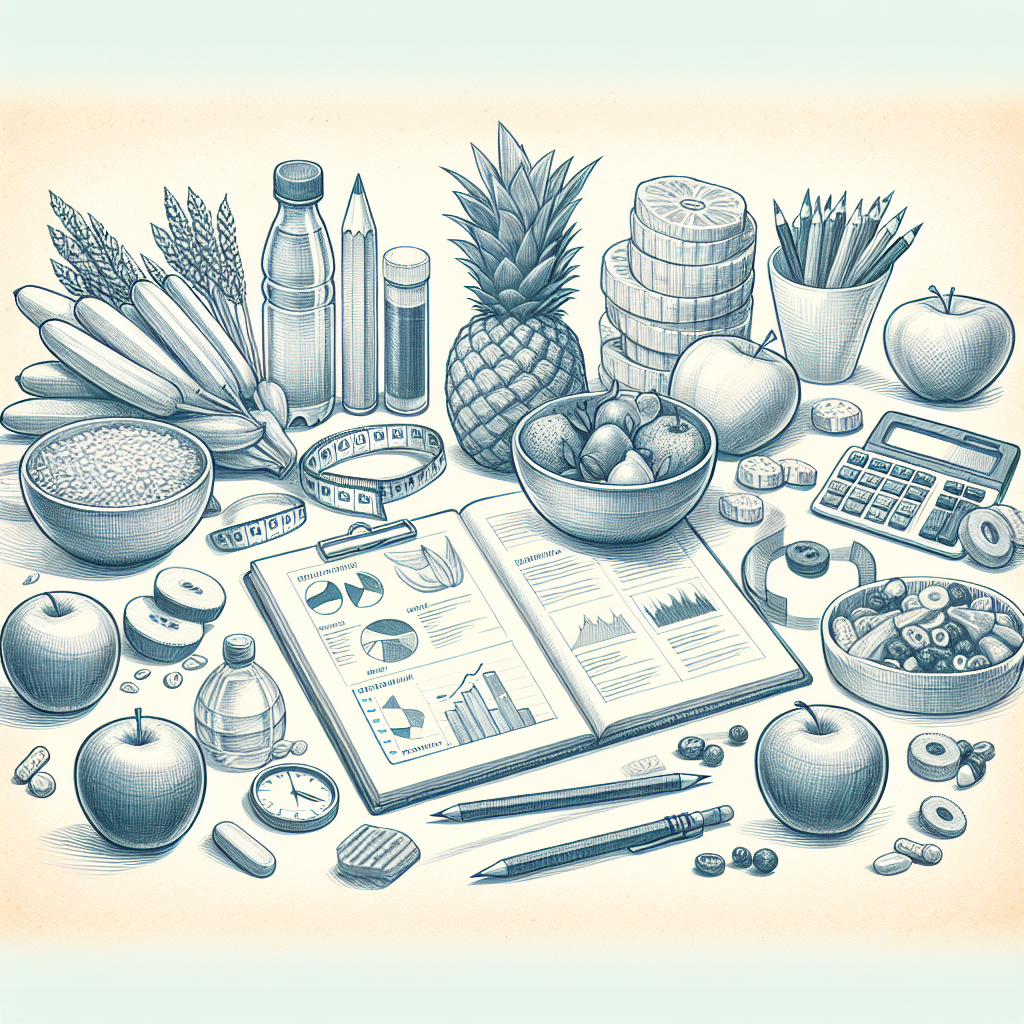
In the world of health and wellness, it plays healthy nutrition key role. Proper nutrition affects our physical health, psychological well-being and overall quality of life. In this article, we will take a closer look at what foods to include in your diet, what it means to eat healthily and how to create a balanced diet on health and longevity. At the same time, we will look at areas where professional help is needed.
- Importance healthy eating
- Basic principles of healthy eating
- How to assemble menu
- When to seek a specialist
- Common mistakes in nutrition
- Practical tips for healthy cooking
- Home exercises for effective burning
The importance of a healthy diet
Healthy nutrition is the key to preventing many diseases, such as metabolic disorders, heart disease or obesity. A diet rich in fruits, vegetables, whole grains and healthy fats can significantly contribute to overall health. Let's not forget that mental health is also directly linked to what we consume.
Basic principles of healthy eating
At creating a healthy diet focus on these key aspects:
- Balance: ensuring a sufficient ratio of proteins, carbohydrates and fats.
- Diversity: a variety of foods for a comprehensive supply of nutrients.
- Seasonality: use local and seasonal products.
- Limit: reduce your intake of sugars, salt and saturated fats.
As to make a menu
For effective and healthy weight loss or weight maintenance, it is important create an individual meal plan. I recommend using online tools to help you create a plan based on your needs. You can find more information here: creating an individual diet plan for permanent weight loss.
Practical steps for creating a menu
- Determine your caloric intake and expenditure.
- Get to know your preferences and food intolerances.
- Start planning meals with the goal of covering all the major nutrients.
- Create your favorite recipes that fit into your diet.
- Change your meals regularly to avoid monotony.
When to seek a specialist
If you have serious health problems, such as metabolic disorders, persistent fatigue, or if you are trying to lose weight without success, it is a good idea to consult a nutritionist. Consulting with a dietitian can provide you with valuable advice and a personalized plan that will meet your needs.
Common mistakes in nutrition
In discussions about healthy eating Misconceptions often arise. Here are some of the most common:
- Myth: All fats are bad. (In fact, healthy fats are essential.)
- Myth: Eating too few calories is best. (This can slow down your metabolism.)
- Myth: Calorie-free foods are always healthy. (Sometimes they contain harmful ingredients.)
Frequently asked questions and answers
What is the basis of a healthy diet?
A balanced ratio of proteins, carbohydrates, fats and plenty of vitamins and minerals.
What foods should I prefer?
Fruits, vegetables, whole grains, quality sources of protein and healthy fats.
How can I lose weight in a healthy way?
Create an individual diet and try to exercise regularly.
What are the effects of an unhealthy diet?
An unhealthy diet can lead to obesity, diabetes, heart disease, and other complications.
Is it possible to exercise effectively at home?
Yes, a home workout with your own body weight that lasts no more than 6 minutes can have the same effect as an hour at the gym. Here is a link to free 30 day access.
How often should he/she exercise?
It is ideal to exercise for at least 150 minutes a week, which can be divided into shorter intervals.
Conclusion
- Proper nutrition is key to health.
- Focus on balance and diversity of foods.
- Create an individual diet plan for long-term results.
- Professional help is important in the areas of health and nutrition.
- Remember common myths and misconceptions in nutrition.
If you have questions about healthy eating, don't hesitate to contact experts and start making changes to your diet today.
Author: Jan Angel