
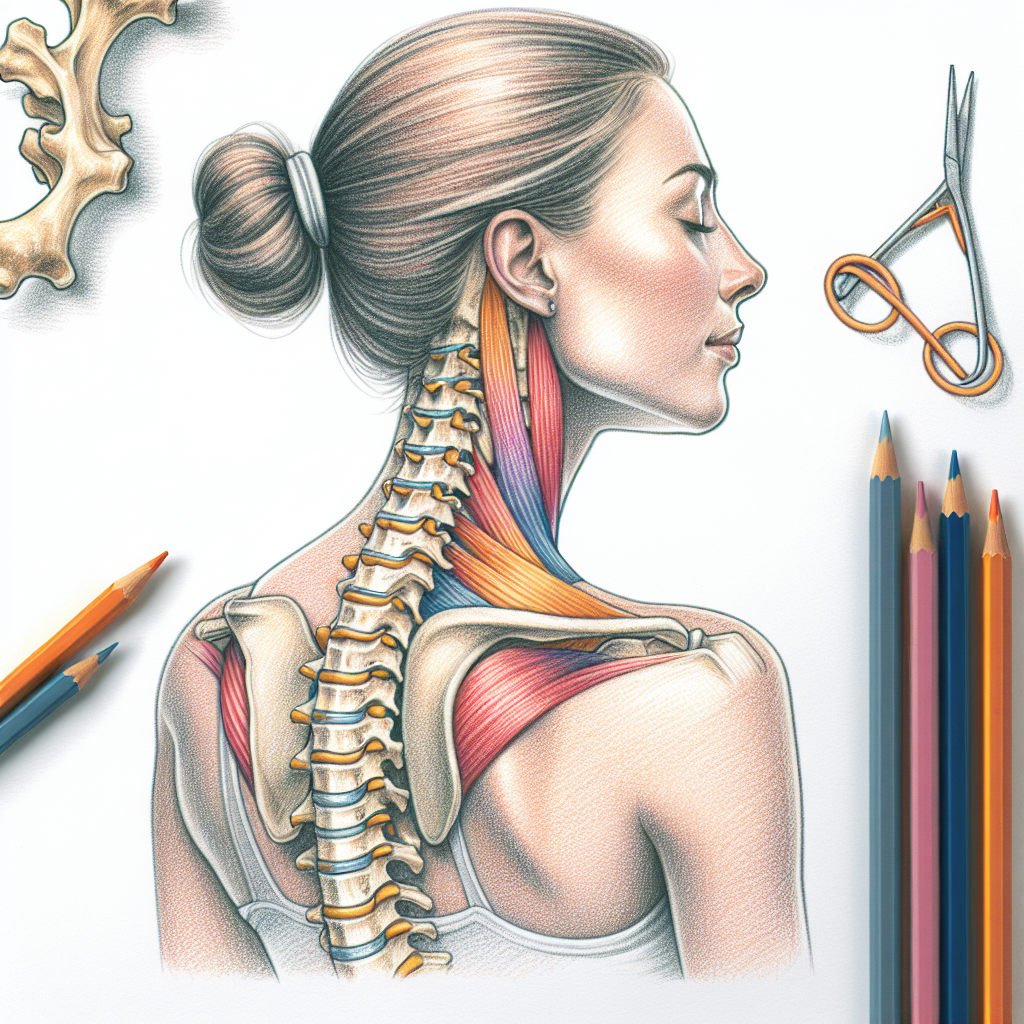
Exercises focused on the cervical spine are a key element of musculoskeletal health care. By properly strengthening and stretching, you can prevent pain and stiffness, which are often caused by a sedentary lifestyle or improper posture. In this article, you will find it easier to navigate not only in exercise techniques, but also in the importance of regular training and its impact on the quality of your life.
- Importance exercises for the cervical spine
- Different types of exercise and their benefits
- Practical exercises for cervical spine
- When to contact a specialist
- The most common myths about neck exercises spine
- FAQ - frequently asked questions
The importance of exercises for the cervical spine
The cervical spine plays a key role in our daily lives, as it supports the head and allows it to move. Quality exercises contribute not only to the prevention of pain, but also to improving the figure and overall posture. Most problems with the cervical spine are caused by muscle tension and weakness, which can be effectively addressed with targeted exercises.
Different types of exercise and their benefits
There are several types of exercises that focus on on the cervical spine:
- Strengthening: Exercises increase the strength of the muscles around the cervical spine, which helps maintain stability.
- Stretching: Flexibility is key to preventing stiffness and pain.
- Core strengthening: A stable core supports proper posture and relieves pressure on the cervical spine.
- Bodyweight exercises: Effective home workouts that take just 6 minutes a day and deliver results comparable to an hour at the gym. Try a free 30-day access to Revolutionary exercise.
Practical exercises for the cervical spine
For effective cervical spine exercises try the following procedures:
- Head rotation: Stand upright, turn your head right and left to exercise your neck muscles.
- Head bow: Try pulling your ear toward your shoulder, then repeat on the other side.
- Stretching: Sit down and try to tilt your head forward to stretch your neck muscles.
- Cervical stabilization: Place your hands on your forehead and press against them to strengthen the muscles that prevent movement.
When to seek professional help
If you are experiencing persistent neck pain, stiffness, or numbness in your limbs, you should see a musculoskeletal specialist. It is also recommended to see a doctor if the problem worsens or other alarming symptoms appear.
The most common myths about cervical spine exercises
V cervical spine exercise areas There are many myths. Here are a few of them:
- Exercises cause more pain: On the contrary, properly chosen exercise can bring relief.
- Exercises are only effective in the gym: Home exercises with your own body weight can also be very effective.
- The best way to relieve pain is to lie down: Moderate exercise can promote recovery.
FAQ
How often should I exercise my cervical spine?
The ideal frequency is at least 3 times a week. Regularity is key to achieving results.
Can exercise relieve pain?
Yes, properly performed exercises can significantly reduce pain and stiffness.
Are cervical spine exercises suitable for everyone?
Generally yes, but be careful and consult your exercises with a specialist if you have any health problems.
How long should the exercise last?
Effective exercises for cervical spine can be done in just 6 minutes a day.
Can exercises replace medical treatment?
Exercise can be a great complement to treatment, but it should not replace a doctor's advice.
Are there specific exercises for different health limitations?
Yes, there are different exercise variations tailored to specific needs. I recommend consulting with a professional.
Conclusion
- Exercises for the cervical spine is important for health and pain prevention.
- Regular exercise significantly improves the quality of life.
- Home exercises with your own body weight offer an effective workout in just 6 minutes.
- In case of persistent problems, it is important to contact a specialist.
- Awareness and knowledge of myths can lead to better health and injury prevention.
To create an individual diet plan for permanent weight loss, visit this page.
Author: Jan Angel