
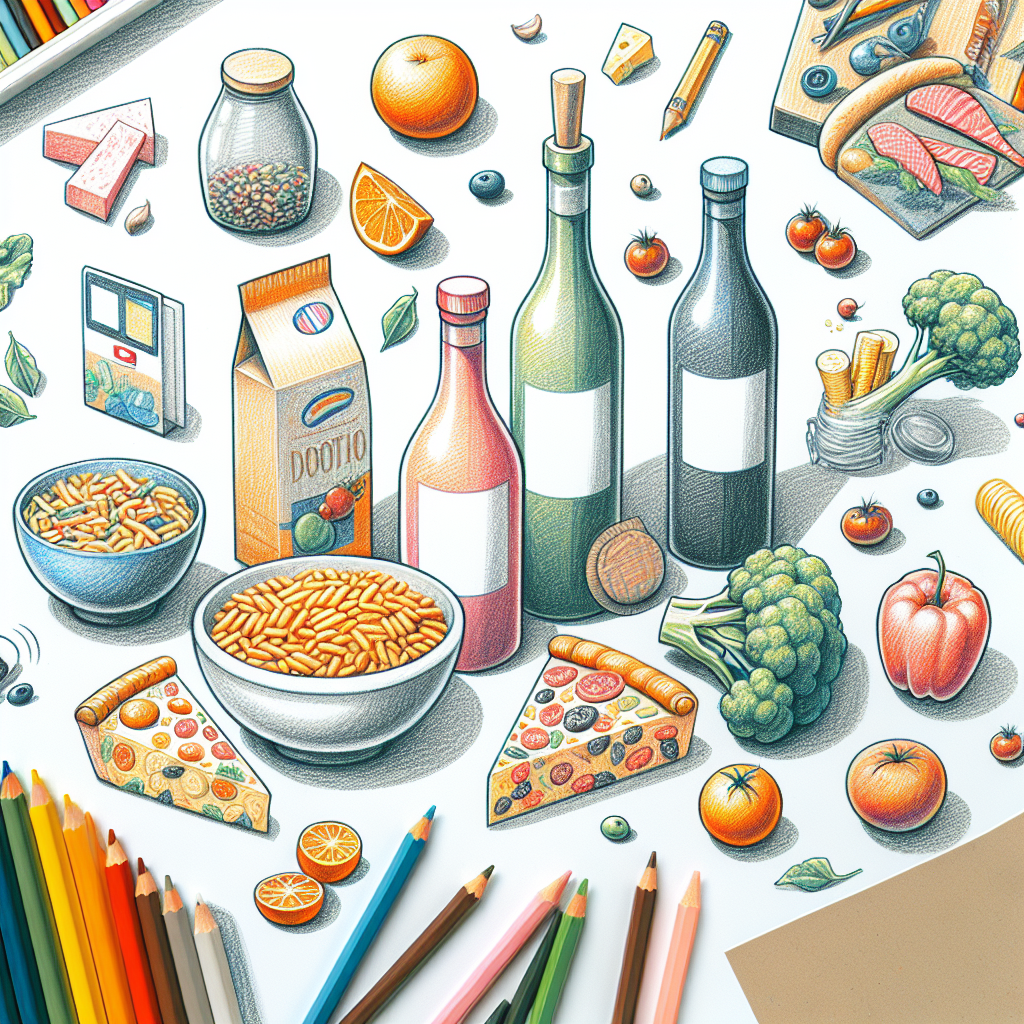
The Mediterranean diet is more than just meal plan; represents a way of life based on healthy foods and traditions of the countries around the Mediterranean Sea. This article provides important information about the benefits Mediterranean diet, best practices for following it, and advice on how to adapt it to individual needs. If you are looking for a customized diet plan, the best option is to work with a professional nutritionist who will create a plan for you after examining your health card.
- Introduction to the Mediterranean Diet
- Health benefits
- Basic foods of the Mediterranean diet
- How to implement the Mediterranean diet into your daily life
- When to seek professional help
- Common mistakes and errors
- FAQ – frequently asked questions
- Conclusion and recommendations
Introduction to the Mediterranean Diet
Mediterranean diet is inspired by the eating habits of countries such as Greece, Italy and Spain. It is characterized by a high content of plant foods, healthy fats, especially olive oil, and a moderate intake of animal products. This diet has been extensively studied and has been shown to be associated with lower risks of chronic diseases such as cardiovascular disease and type 2 diabetes.
Health benefits
Adopting a Mediterranean diet brings a number of health benefits:
- Reducing the risk of cardiovascular disease: Thanks to its high content of healthy fats and fiber.
- Supporting a healthy weight: Moderate portion sizes and an emphasis on fresh foods can lead to better weight control.
- Improving mental health: Some studies suggest that diet may be associated with low symptoms of depression.
- Energy boost: A balanced diet provides the body with the energy it needs for daily activities.
Basic foods of the Mediterranean diet
The key components of the Mediterranean diet are:
- Fruits and vegetables – fresh and seasonal fruits.
- Whole grains – such as brown rice, whole wheat bread or quinoa.
- Olive oil – the main source of fat.
- Nuts and seeds - as healthy snacks and the birth of fat.
- Fish and seafood – prefer choosing oilier fish, such as salmon or sardines.
- Dairy products – in moderate amounts, especially yogurt and cheese.
- Red wine – consumed in small quantities as part of social rituals.
How to implement the Mediterranean diet into your daily life
If you want to embark on the Mediterranean diet, you can follow these steps:
- Start with whole grains: Include whole grain bread, brown rice, and quinoa in your diet as a source of carbohydrates.
- Add more vegetables and fruits: Make sure every meal includes some form of vegetable or fruit.
- Replace fats: Avoid consuming saturated fats and use olive oil as your main source of fat.
- Moderate portions of meat: Focus on fish and white meat, consume red meat in limited quantities.
- Make time for meals: Don't eat in a hurry and enjoy your meal with family or friends.
When to seek professional help
If you have specific health needs or have already been diagnosed with a medical condition, it is a good idea to consult a nutritionist. They can help you tailor the Mediterranean diet to your specific needs, especially if you have allergies or food intolerances, and advise you on how to properly incorporate the diet into your lifestyle.
Common mistakes and errors
When switching to a Mediterranean diet, it is important to avoid some common mistakes:
- High wine consumption: Many people think that the more wine, the better. The key is moderation.
- Insufficient emphasis on portions: Even healthy foods can cause weight gain if consumed in excessive amounts.
- Skipping diversity: It is important to have a varied diet to ensure you get enough nutrients.
- Just tracking food without following a lifestyle: Mediterranean the diet also includes physical activity and social moments.
FAQ – frequently asked questions
What are the main benefits of the Mediterranean diet?
Benefits include reducing the risk of cardiovascular disease, promoting a healthy weight, and improving mental health.
It is Mediterranean diet suitable for everyone?
Yes, it can be beneficial for most people, but specific needs should be consulted with a professional.
What is the ideal ratio of foods in the Mediterranean diet?
It is recommended that more than 50% of your diet be made up of plant foods, nuts, and whole grains, with a smaller amount of animal products eaten.
Do I have to be a vegetarian to follow the Mediterranean diet?
No, the Mediterranean diet includes meat, but moderation and choosing quality sources are recommended.
How can a diet be incorporated into a busy lifestyle?
The diet can be easily adapted, just plan meals in advance and order healthier options.
What foods should I eliminate from my diet?
Limit refined sugars, saturated fats, and processed foods.
Conclusion and recommendations
- Mediterranean diet offers healthy eating.
- Its benefits include improving physical and mental health.
- It includes a rich amount of plant foods and healthy fats.
- Don't be afraid to consult with an expert for a customized plan.
- Achieve success with careful planning and enjoying your food.
If you are interested in an individual diet plan, do not hesitate to contact a specialist whose services you can find at The best diet is from a professional nutritionist, which is compiled after a health card examination..
Author: Jan Angel