
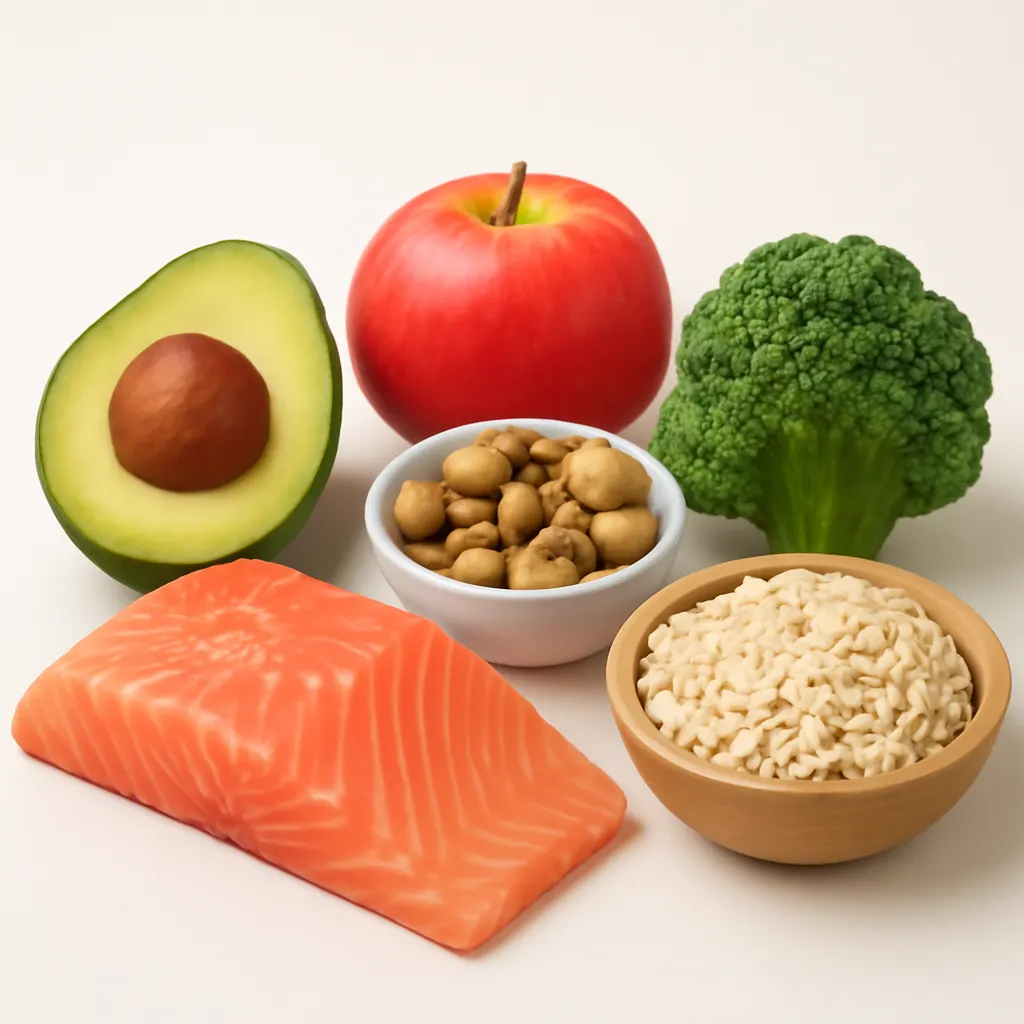
High cholesterol can can be a hidden danger to the heart and blood vessels. Proper cholesterol levels are key to maintaining a healthy lifestyle. In this article, we'll look at what levels are considered normal, how to influence them, and what foods and lifestyle changes can help you keep your cholesterol in check.
- What is cholesterol and why is it important?
- What are they? normal cholesterol levels
- How to reduce high cholesterol through diet
- What foods to prefer and which to avoid
- When to seek a specialist
- Common misconceptions about cholesterol
What is cholesterol and why is it important?
Cholesterol is a substance that our bodies need to make hormones, vitamin D, and substances that help with digestion. There are two types of cholesterol: LDL (low-density lipoprotein, the „bad“ cholesterol) and HDL (high-density lipoprotein, the „good“ cholesterol). While HDL helps clear cholesterol from the blood vessels, LDL can cause arteries to become clogged.
What are normal values? cholesterol
It is generally recommended that total cholesterol levels should not exceed 5.2 mmol/l. LDL levels should be below 3.0 mmol/l, while HDL levels should be 1.0 mmol/l or more for men and 1.3 mmol/l or more for women. Regular monitoring of these levels is important for the prevention of cardiovascular disease.
How to lower high cholesterol through diet
Diet has a significant impact on blood cholesterol levels. Here are some recommended steps you can take:
- Increase your fiber intake – foods like oats, beans, and vegetables help lower LDL cholesterol.
- Prefer healthy fats – olive oil, avocados, and nuts are great sources of healthy fats that can positively affect cholesterol levels.
- Reduce your intake of trans fats – these are found in many processed foods and raise LDL cholesterol.
- Include foods rich in omega-3 fatty acids in your diet – fish like salmon and mackerel can lower triglycerides.
What foods to prefer and which to avoid
Recommended foods include:
- Oatmeal and whole grain products
- Beans and legumes
- Fruits and vegetables, especially berries and citrus fruits
- Fish meat and nuts
On the contrary, you should avoid:
- Red meat and processed meat products
- Cookies, cakes and other foods containing trans fats
- Refined sugars and white bread
When to seek a specialist
If your cholesterol levels are above the recommended limits, it is a good idea to consult your doctor or dietitian. They can provide you with the necessary advice and possibly offer personalized meal plan, that will help you create healthy eating habits.
Common misconceptions about cholesterol
- Many people believe that cholesterol is always bad – in fact, cholesterol is needed for the body to function properly.
- Some people think that reducing fat in the diet will completely eliminate cholesterol – this is not the case, as cholesterol is also produced in the body.
- There is a belief that only older people have high cholesterol; The problem can also affect younger individuals.
FAQ
How often should I check my cholesterol levels?
It is recommended to check your cholesterol levels at least once every five years, unless you have other risk factors.
It is hereditary high cholesterol?
Yes, some forms of high cholesterol can be hereditary and are called familial hypercholesterolemia.
What are the symptoms of high cholesterol?
High cholesterol usually It has no symptoms, so it is important to check it regularly.
Can diet help me? reduce cholesterol?
Yes, a healthy diet rich in fiber and healthy fats can help reduce cholesterol levels.
What foods should I look for?
Fruits, vegetables, whole grains, fish, and healthy fats are recommended for lowering cholesterol.
Author: Jan Angel